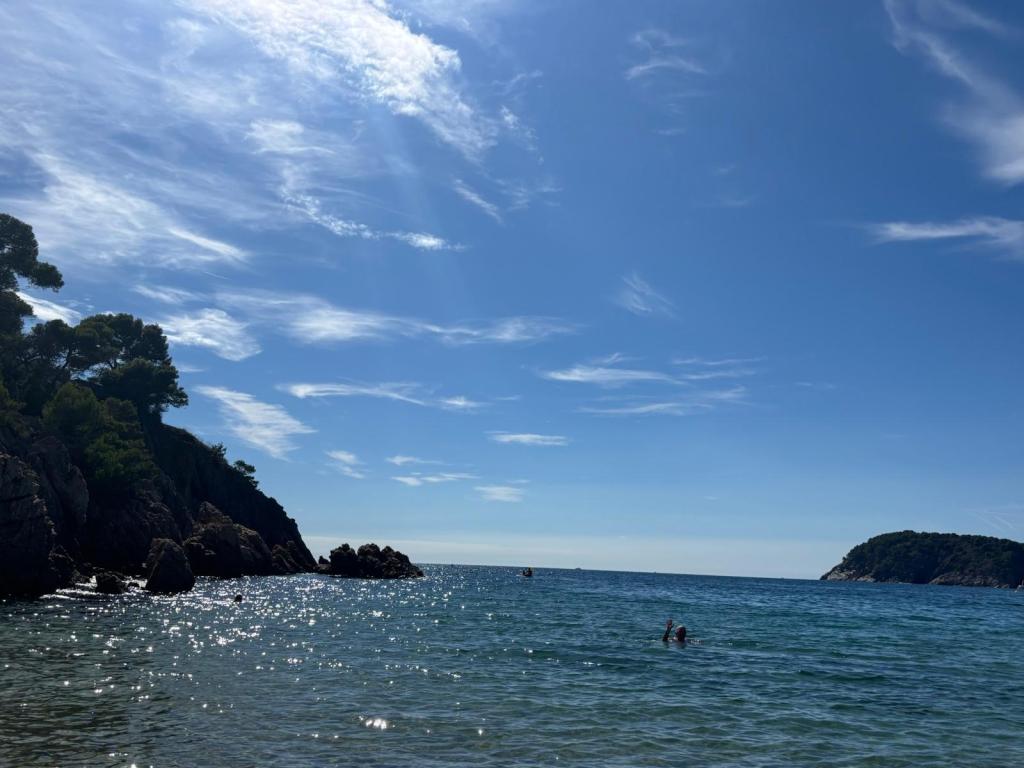
Greetings from the Mediterranean, more precisely a lovely little beach called Castell north of Barcelona on the Costa Brava where we spent the weekend. We’ll be back in Malmö on̈ Wednesday and open as usual on Thursday.
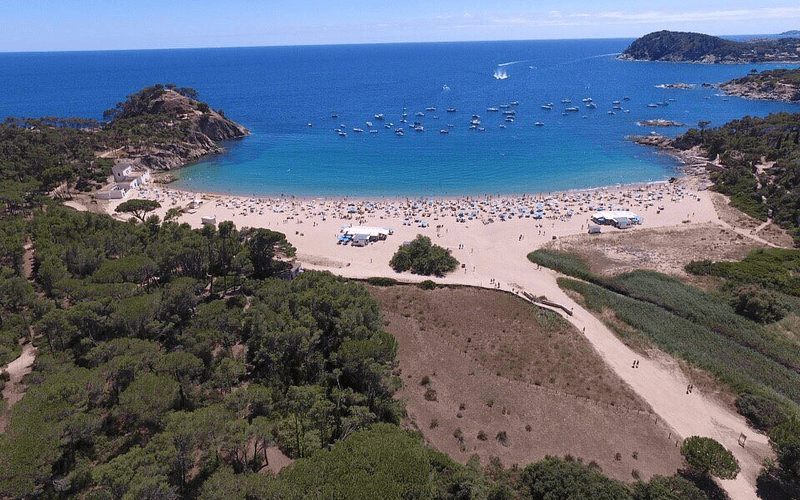
Greetings from the Mediterranean, more precisely a lovely little beach called Castell north of Barcelona on the Costa Brava where we spent the weekend. We’ll be back in Malmö on̈ Wednesday and open as usual on Thursday.
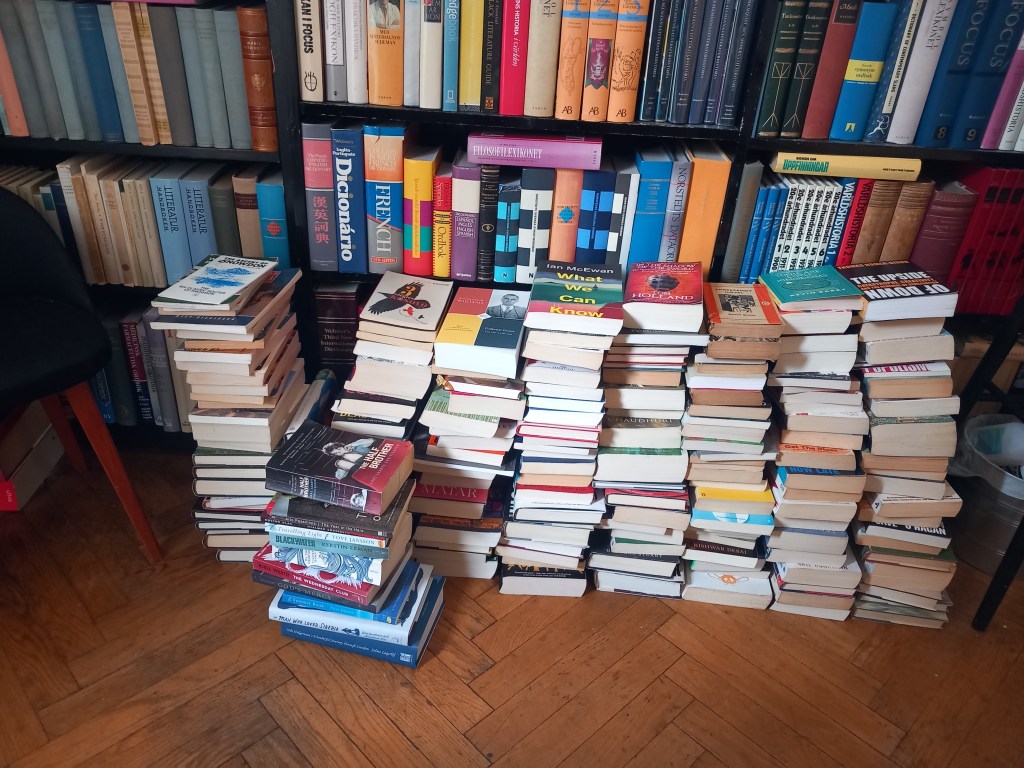
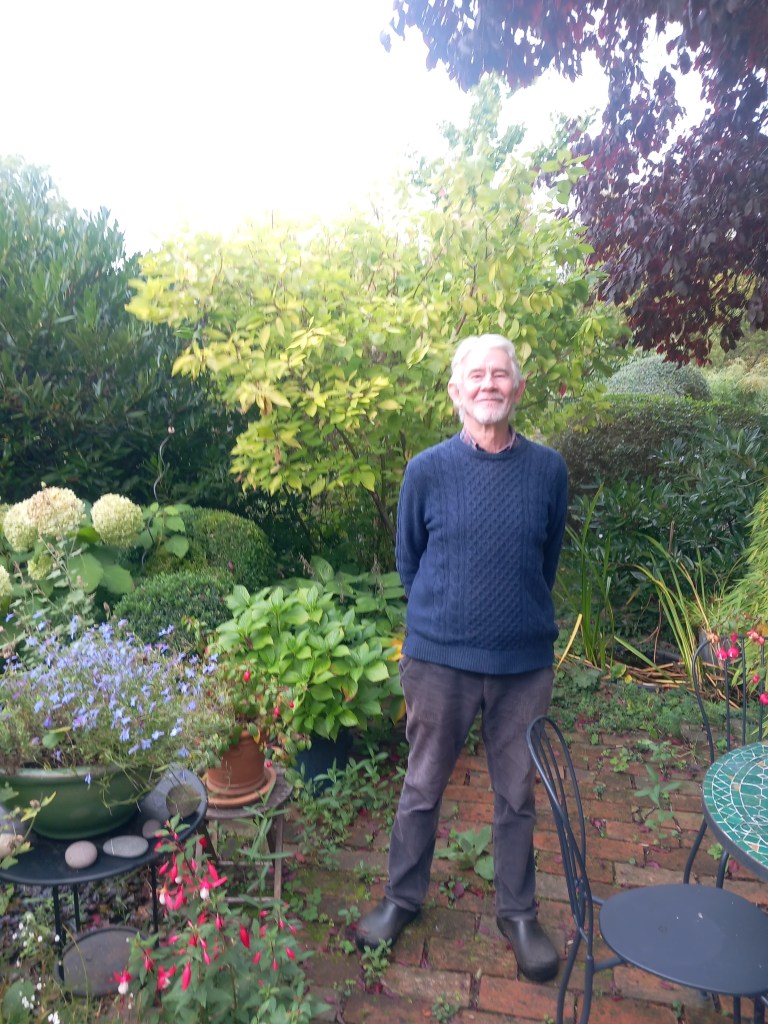
On the one hand you can’t say no to a nice collection of books that are all worthy of being put on our shelves – many classic Swedish authors in English, a number of Nobel and Booker prize winners, lots of interesting travel books and a good deal more – but, on the other hand, our shelves are already pretty full so what is to be done? Anyway, let me thank Robert Lorimer, here pictured in his fabulous garden, for making his contribution to a bookseller’s dilemma.
We’ll be closed this week as we travel to Barcelona for a family visit as we usually do this time of year. We’ll be open again on October 15. And there will be lots of new/old books to buy if I can figure out where to put them!
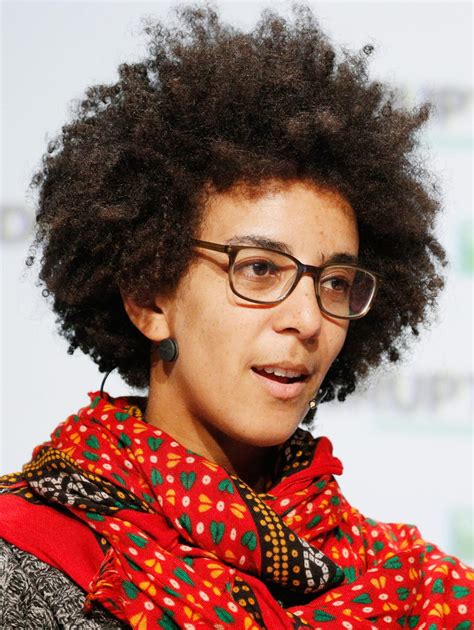
Tinmit Gebru, one of the winners of this year’s Right Livelihood award, often referred to as the alternative Nobel Prize, is a young woman who is working hard to contain the genie that is AI and unlike many of those who write and speak about AI she actually knows what she’s talking about: https://en.wikipedia.org/wiki/Timnit_Gebru
Here’s an article in today’s Guardian where she talks about some of the real problems with AI:
And here’s another story that might be of interest to all you AI resisters out there.


Alison Luthmers has been taking us on many a musical adventure ever since we opened and we can only hope that her latest project goes well and that she might eventually bring it to the shop in some form. In the meantime she and the Bellevue String Quartet will be giving a release concert of their new cd, “For Four” on November 21 and you can see and hear more of her music on her website.
When Pope Leo released his encyclical on AI some time back he offered the world a wide-ranging cultural assessment of the challenges that humanity faces with the far too rapid spread of these new technologies.
On his ongoing visit to France he spoke again about the dangers of AI and the “paradise of machines” that its promoters envision. The main problem with AI, as with most every other new technological innovation is that the people doing the innovating have so little of what the pope calls “ethical discernment”, that is, the capacity to distinguish right from wrong. And that is largely because, I would suggest, the engineers doing the development have been taught next to nothing about ethics or any other non-technical matters in their education. They seem to have derived their social “consciousness” from science fiction fantasies rather than from any real knowledge or understanding of how people and societies actually operate. And their calls for regulation seem more aimed at avoiding responsibility than taking any.
Here’s an article about the speech that appeared in the Guardian.
https://www.theguardian.com/world/2026/sep/25/pope-leo-ai-threat-to-humanity-three-day-france-visit
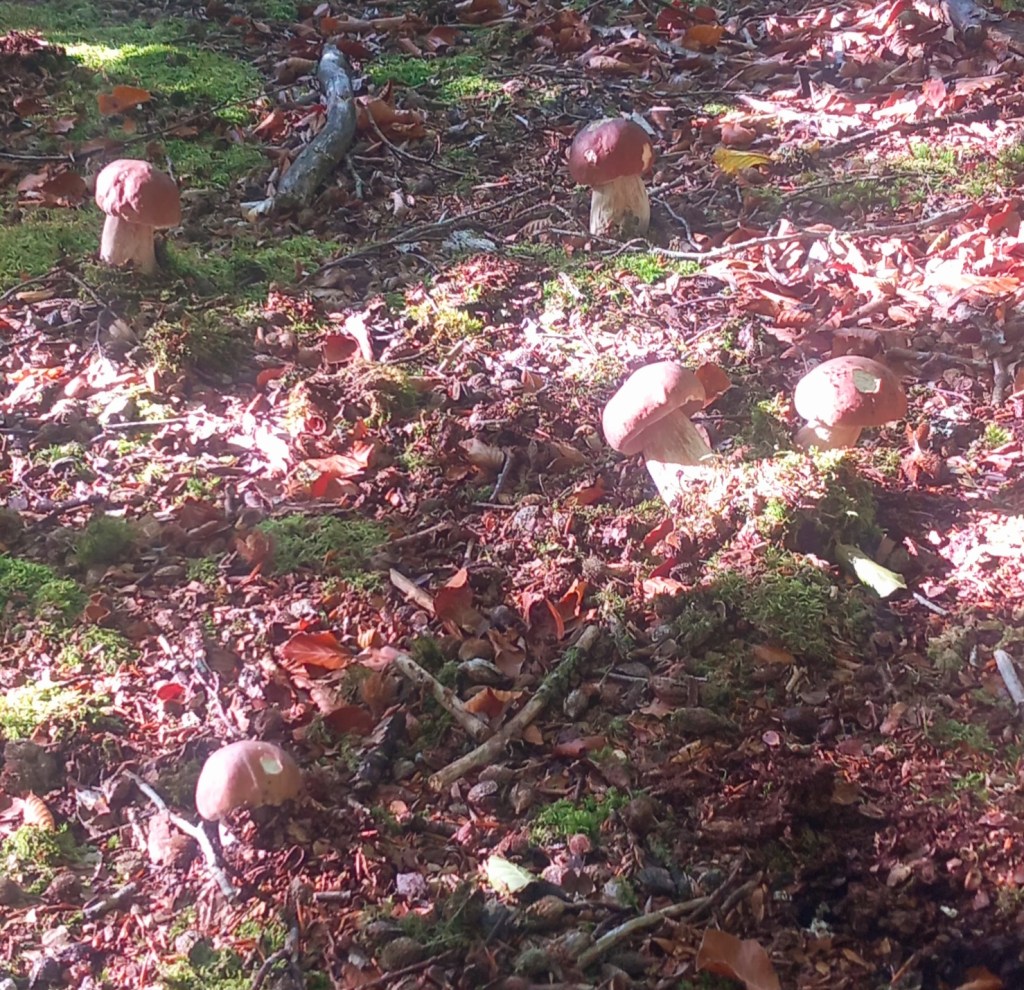
In the fall an old man’s thoughts turn to mushroom picking and the pickings have been quite good so far.

We’ll be open on Friday night from 6.30 to 9 or so as part of Malmö’s annual Gallery weekend and even though it is now no longer summer our summer sale will continue through the weekend. So do come by and load up on records and films and pocket books which are on sale for 25 kr and fiction that are not pocket books for 50 kr.
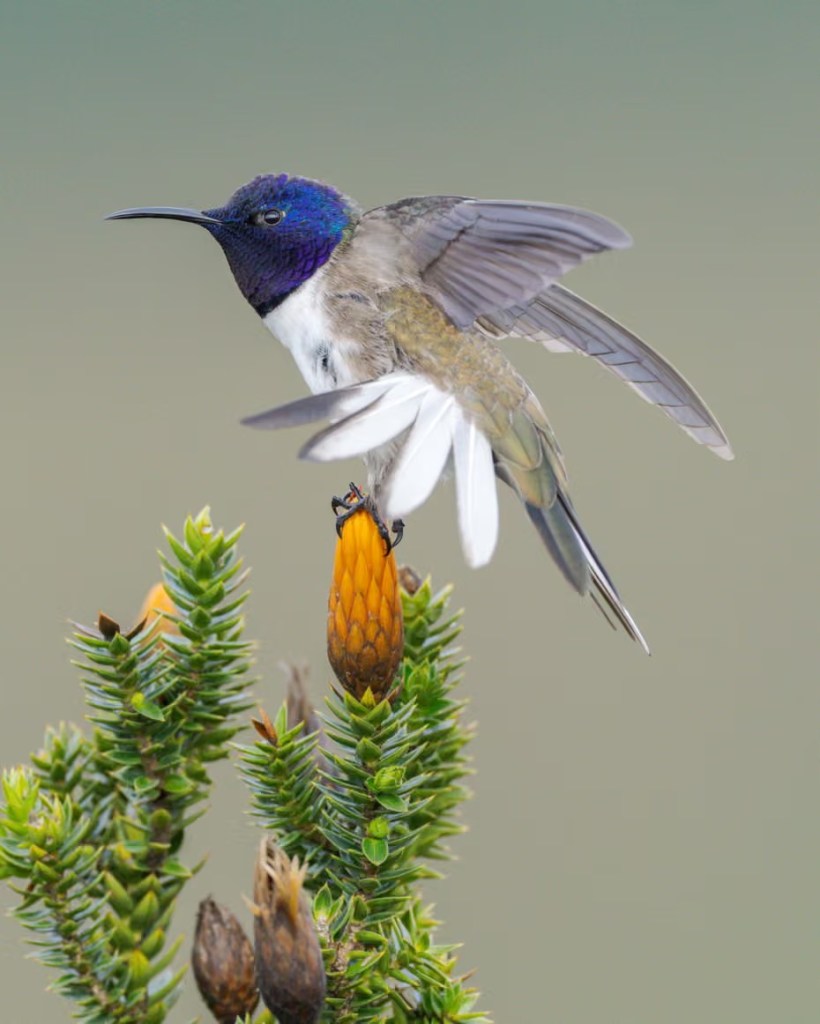
As I noted some time back there is a huge gap, or disconnect, between what we as a species know and what we as a species do – between knowledge and action – and I bemoaned in particular the actions of scientists who know so much about so many things yet keep their knowledge from reaching ordinary people through the ridiculous ways in which they spread their findings, mainly by publishing articles in extremely expensive and highly specialized journals and books.
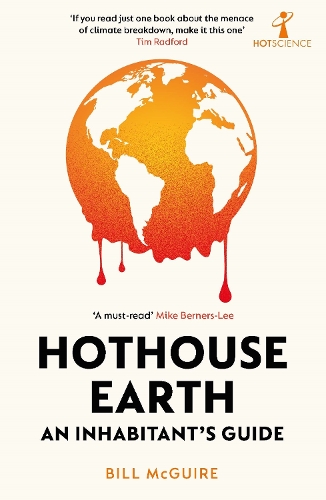
Anyway, here are two rather different examples of scientists who act on their knowledge, one that tells of an ornithologist, Robert Ridgeley, who has published guides about, and created organizations to help save, the tropical birds that he knows so much about (https://en.wikipedia.org/wiki/Robert_S._Ridgely); the other, by Bill McGuire, a vulcanologist, who regularly warns of the geophysical and climate hazards that he knows so much about in newspapers and popular books and activist organizations (https://en.wikipedia.org/wiki/Bill_McGuire_(volcanologist) – this time telling about the super El Niño that has started to make its presence felt as it causes havoc around the world.
Let us hope their stories might inspire other scientists to break out of their commercial academic cocoons!
https://www.theguardian.com/commentisfree/2026/sep/15/rise-global-temperatures-super-el-nino
One of the residual benefits of following and/or subscribing to this blog is that you have a ready made play list when you are in need of one like when you are driving in your car for awhile as I do once a week when I head out to our country house. If you go into the blog and connect to your car’s bluetooth speaker you can then just scroll down and play the songs I’ve posted and, with very little effort, you’ve got yourself an hour or two of well curated music without any adds. Anyway, here’s one more for the play list, the latest by a young man who is bringing the topical protest song back into contemporary American life. If you haven’t heard or heard of Jesse Welles you should:
There are a lot more of his songs out there on the internet that might just help you get through the day.
Per Engaard came by the shop yesterday and we got talking about AI and antisocial media and such things and he said he had heard on a podcast that the majority of stuff that is on the internet is now AI-generated, that is, more of the content that is to be found in cyberspace is slop than not. He later sent me a link to where he had heard it, which is an extremely informative podcast about AI:
If you liked that one do check out:
Have a WordPress.com account? Log in now.